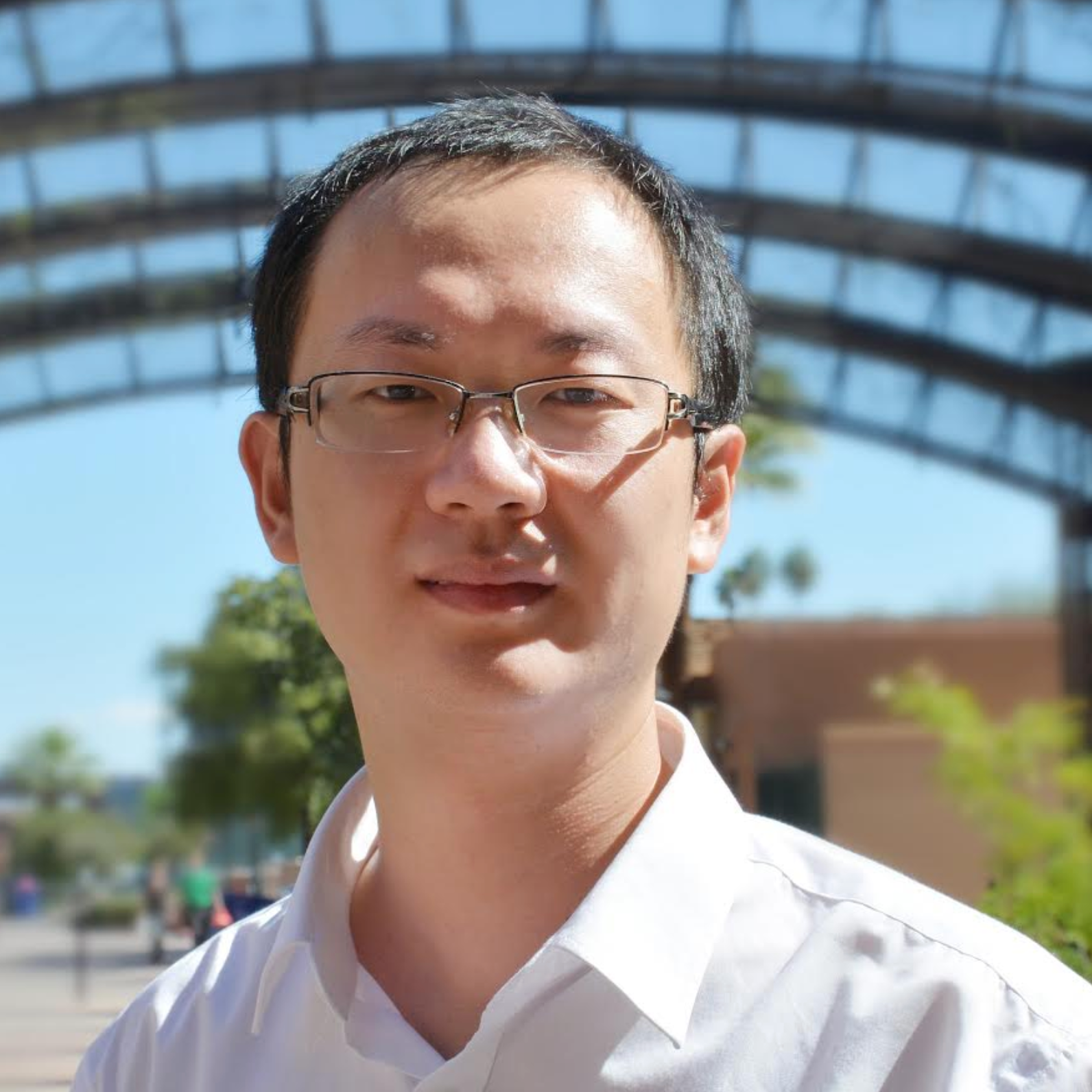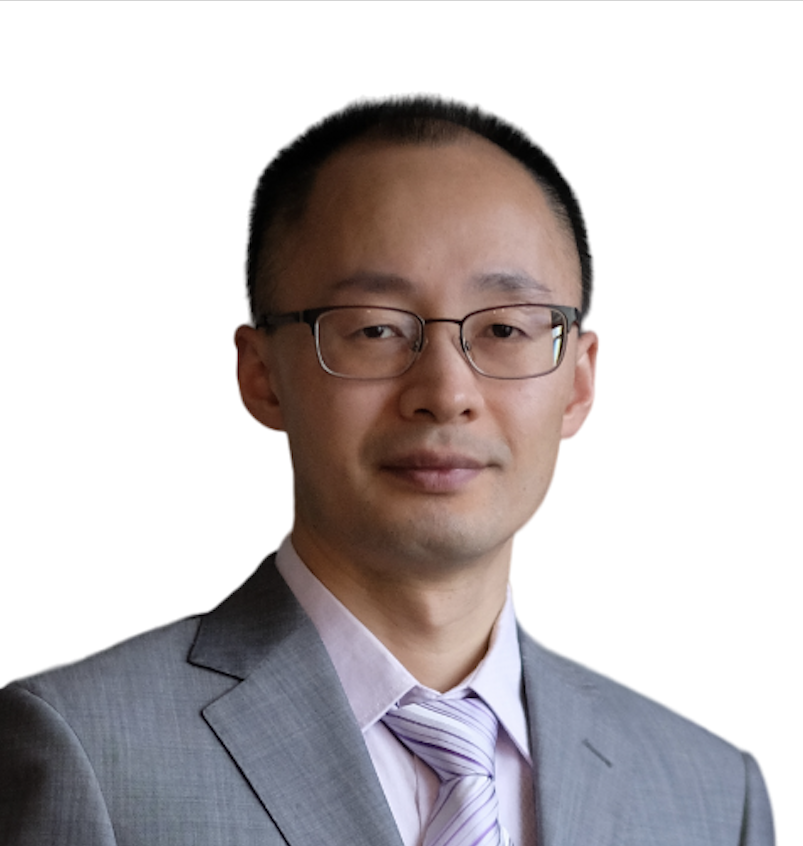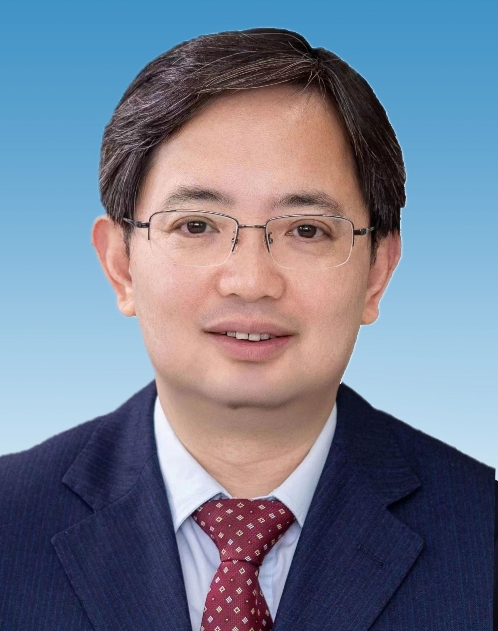
Professor and Vice President, Nanjing University
Bio
Zhi-Hua Zhou is Professor of Computer Science and Artificial Intelligence, Vice President of Nanjing University. His research interests are mainly in machine learning and data mining, with significant contributions to ensemble learning, multi-label and weakly supervised learning, etc. He has authored the books "Ensemble Methods: Foundations and Algorithms", "Machine Learning", etc., and published more than 200 papers in top-tier journals or conferences, with more than 100,000 citations according to Google Scholar. Many of his inventions have been successfully deployed in industry. He is President of IJCAI Trustee, Series Editor of Springer Lecture Notes in Artificial Intelligence, Editor-in-Chief of Frontiers of Computer Science, and advisory board member of AI Magazine. ...
Learnware: Small models do big
Abstract
"Learnware = Model + Specification". Let's consider the following questions: First, do we believe that in the future (A) there will be a big model that is able to cope with all possible learning tasks, or (B) it is crucial to have many models to collaborate? Second, are these models to be developed by (A) one developer (or one company), or (B) lots of developers all over the world? Third, are training data used to train these models to be (A) freely shared, or (B) mostly not? If we choose (B) for the answers, it seems that we will encounter a mission impossible: how to identify helpful models from a growing huge pool of trained models developed by developers all over the world, and reuse or even reassemble the models to tackle new user's task, given that we could not touch developers' and users' training data? "Learnware" makes this possible. A key ingredient is the specification which enables a trained model to be adequately identified to reuse according to the requirement of new user who knows nothing about the model, while model developers' training data are preserved. Learnwares are accommodated in a learnware dock system, which enables small models do big, and enables models do things even beyond their original development purposes. This talk will briefly introduce some preliminary research advances in this direction.